
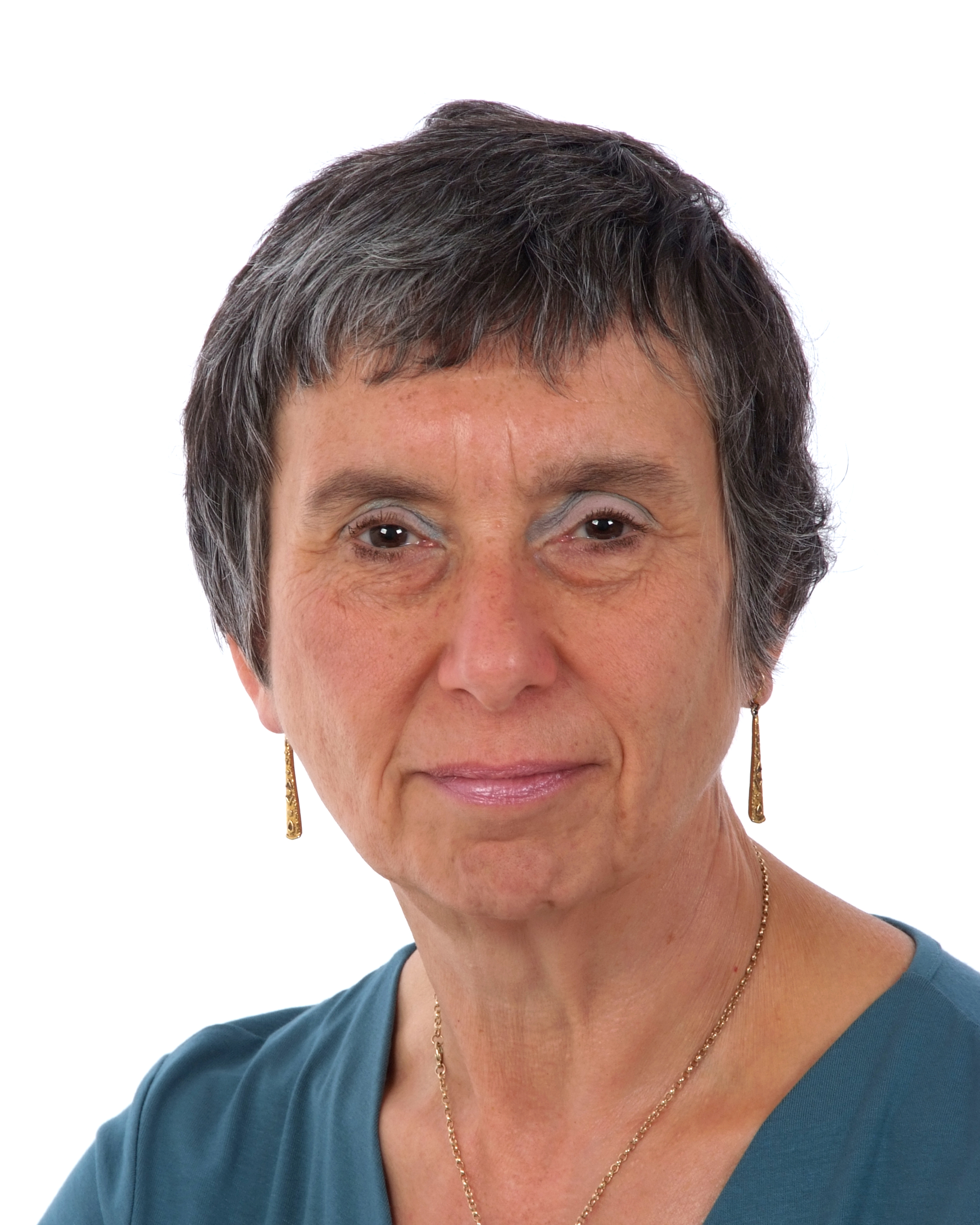
Susan Elkin taught English in secondary schools for 36 years, latterly developing a parallel career as a writer. Since 1990 she has written over 5000 articles for newspapers and magazines, English text books, how-to books for teachers, a book about careers in theatre and latterly three volumes of memoir: Please Miss We’re Boys (2019), The Alzheimer’s Diaries (2022) and All Booked Up (2024); she has her own weekly blog, Susan's Bookshelves, where she reviews music and drama as well as books. She lives in South London.
Writers Review: You've written widely about inspiring a love of reading in children. What are the best ways to encourage a love of reading? What is the situation now in schools and how would you like to see it change?
Susan Elkin: Enthusiasm is key. It's vital to communicate a love of books. So share books, talk about books and - vitally - whether you're a teacher or a parent, for goodness sake let children see you reading for pleasure. If you don't, they get the message that reading is a childish thing which you stop doing when you're grown up. I have never forgiven Tony Blair, early in his premiership, for visiting a primary school and, when the children asked him what his favourite book was telling them that he was too busy to read.
In schools. teachers are very good at teaching phonics and so on as they are now required to do. Decoding the squiggles. though, is the easy bit. It's developing and encouraging reading after that which is the challenge and it's where many schools fall down, not least because there are so many banal, dull hoops the curriculum requires them to jump through in terms of, for example, very formulaic comprehension exercises. I think every class at every level should have a block of independent reading time every day - in silence, read anything you like and the teacher reads too. We used to call this USSR (Uninterrupted, sustained silent reading) or ERIC (Everyone reads in class) and I think it should be a key part of the curriculum ... but I'm not holding my breath.
WR: What are your thoughts on the prevalence of celebrities now writing children’s books?
Susan: Well, I suppose it depends who they are and how good they are. David Walliams is, in my view, outstanding. His books are very funny and he has developed a real love of reading in many children - just as Roald Dahl and JK Rowling did. Richard Coles's crime novels are quite fun and well enough written. And of course there are others.
On the other hand an awful lot of it is the literary equivalent of junk food and often turned out by ghost writers with publishers simply grabbing names that will sell books. And often, I suspect, this is instead of excellent writers whose names are not (yet) well known. On the day I'm writing this, it has just been announced that Jeremy Vine has secured a two book deal. Well, he's not a bad radio presenter but that doesn't mean he can write decent fiction. But I'll reserve judgement until I've seen what he (or his ghost writer) produces.
WR: You've had wide experience of reviewing books for young people, eg. for The School Librarian. Were you ever tempted to write children’s fiction yourself?
Susan: No. I have no talent for fiction although I'm very much a fiction junkie and read vast quantities of it . It's a strange thing. I have done a huge amount of journalism and, contrary to what the cynical public thinks, that means that I'm used to researching and then writing the truth. I'm so conditioned to this that I find it impossible to make things up! It's probably why I can do memoir, though, because I'm describing what actually happened - at least as I remember or percieve it.
WR: I'm impressed by the range of your publications, the hard work that went into establishing yourself and how well it paid off in terms of opportunities coming your way. How would you advise other writers to get into freelance journalism?
Susan: Probably through a good degree in whatever interests you (English, history, politics, maths etc) and then looking for some kind of work experience placement. Very few successful journalists did “media studies” or anything similar so don’t bother with that. Write as much as you can wherever you are – community newsletters, student magazines and so on so that you build experience and a portfolio. My own experience is not typical – I gradually moved into journalism from teaching from about 1990 at a time when all the broadsheet newspapers had a whole page devoted to education every week. I started by sending on-spec opinion pieces to editors. Sadly, that would never work now.
WR: Writing The Alzheimer's Diaries must have felt very different from your other writing. Did you begin writing it for yourself rather than for publication?
Susan: Not really, although – with hindsight – it probably helped me to deal with, and process, a pretty grim situation. I am programmed to write about almost everything which happens to me so when my husband, Nick, was first diagnosed it seemed the obvious thing to do – once he’d given me his approval, of course. At first I thought I’d do it as a newspaper column but none of my contacts wanted it. I did eventually get a version of the opening blog into Daily Telegraph, though. I wrote it as a weekly blog as we went along over the 28 months between Nick’s diagnosis and death in 2019. By then it was a pretty substantial block of work – and writer that I am – I couldn’t bear the idea of not taking it further. The book came out in 2022. It’s not gloomy – just truthful and, many people have told me, often funny. I regard it as a sort of memorial to Nick and I think he’d be pretty pleased with it.
WR: You’ve written a lot about music and drama and the lack of opportunities for young people. What would you like a new Minister for Culture to do?
Susan: Fund music education for every child so that there is an entitlement to learn a musical instrument or sing in a choir. At the same time wouldn’t it be great if they learned to read music at the same time as they learned to read words? Of course they aren’t all going to take to it but I’d like every single child to have the chance. Drama is easier because it’s cheaper – train teachers both in initial training and CPD to build drama and drama games into their teaching. And what about grants for school productions to encourage schools to stage them? Perhaps, more radically, the minister could liaise with the new Secretary of State for Education and look for ways of changing the culture in schools so that head teachers are less focused on “results” and better able to see how holistic education benefits every child and raises standards. Abolishing SATS (standard attainment tests) would be a good start.
WR: What will you write next?
Susan: Well in addition to all the routine work – reviewing shows and concerts, writing arts features for magazines and my weekly Susan’s Bookshelves blog - I’ve just started work on a new book. Memoir style again, this time it’s about writing. I’ve met some extraordinary people and been in some pretty unlikely situations during the last 30 years (visiting a primary school in Orkney, interviewing June Whitfield, writing about hedge trimming, attending vespers at Ampleforth, crying with a mother in a children’s hospice and an awful lot more) and I think there’s a story to tell. At present I’m going though old diaries and files and making a lot of preparatory notes.
WR: Thanks, Susan - hope you enjoy this preparatory stage and we'll look forward to seeing what it leads to!
All Booked Up is published by The Book Guild.
See also Susan's review of Kazuo Ishiguro's Never Let Me Go.


