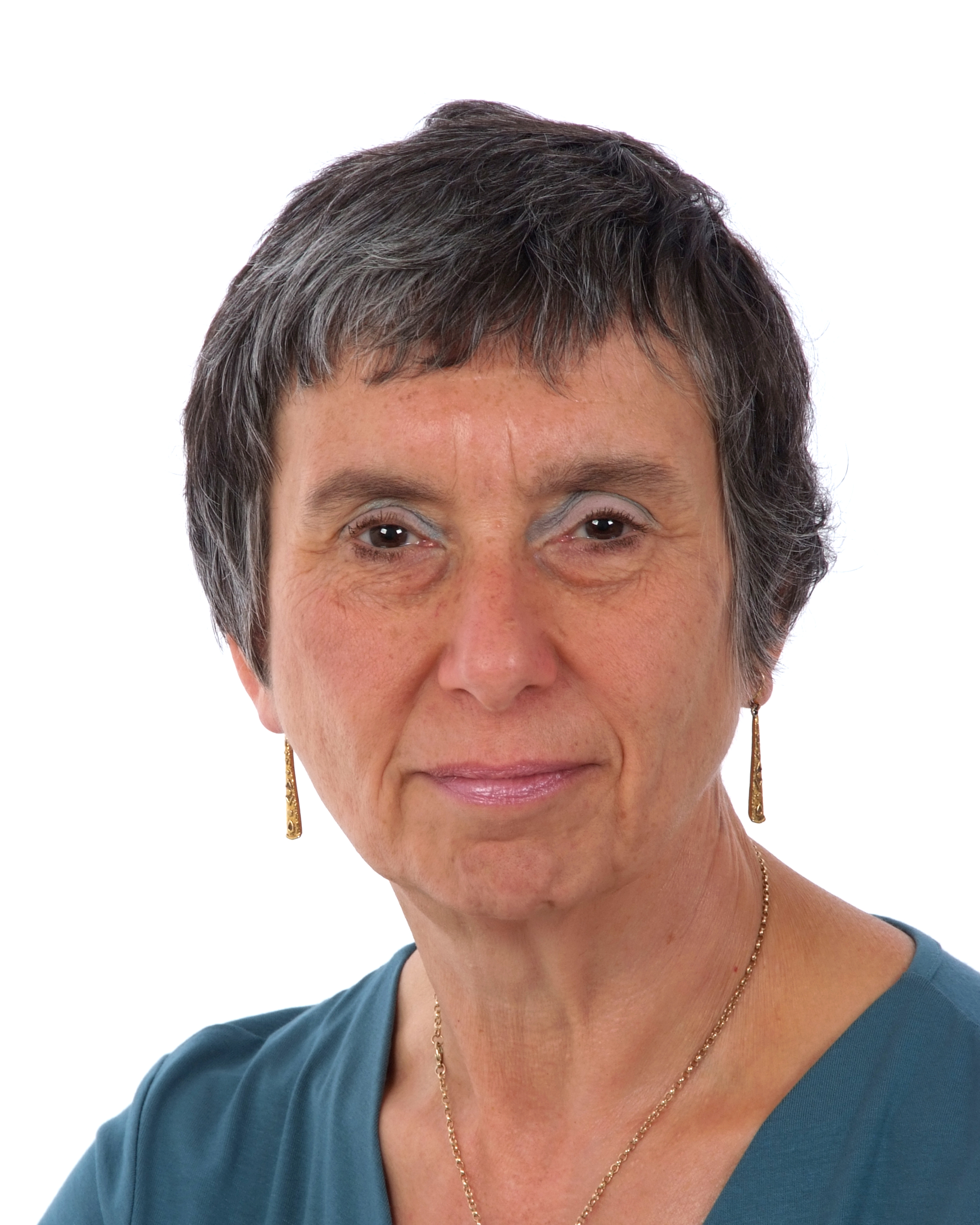
"I wanted to explore ways in which passionate involvement could either tip over into obsession or become a defining purpose in life."


Cindy: Congratulations on your new novel, Linda, including a wonderful jacket illustration, which really intrigued me, making me want to pick up the book and start reading. I think you commissioned the illustration. Can you tell me a little about what went into your decision to commission original work?
Linda: Cover art is important to me, especially as art is of key importance in the novel! Having been given a range of covers in the past, ranging from excellent to mediocre and sometimes with little choice in the selection of artist or image, it was a novelty to be able to choose the artist myself. I found the brilliant Owen Gent when I was looking for a cover designer for The One True Thing, my previous novel, and was delighted with what he did, so he was the obvious choice for this one, too. I love his colour palettes and the distinctiveness of his work. (I've written a Substack post about this.)
Cindy: What particularly spoke to you about the picture you chose?
Cindy: What particularly spoke to you about the picture you chose?
Linda: Owen sent me four rough ideas to choose from. I liked all four, and was tempted by one that showed Alys in a gallery looking at an Egon Schiele nude (and this would have been the choice of my editor, Jon) but I think this one suits the title better, allowing for more than one meaning of the hide. The cottage looks isolated and vulnerable, which is how Alys often feels, and the shadows give a sense of creeping menace, offset by the soaring red kite on the spine suggestive of freedom.
Cindy: The title is so mysterious. To begin with, I wondered if the novel was going to be about someone who studies animals and birds, but that’s not exactly it, is it?
Cindy: The title is so mysterious. To begin with, I wondered if the novel was going to be about someone who studies animals and birds, but that’s not exactly it, is it?
Linda: Thanks! There is a bird hide near the village Alys has moved to for her new job, and she comes across it on one of her explorations with her camera, but the metaphorical meanings are more important. Alys is secretive about her past, from a deep sense of guilt and shame - and this is set against posing naked or semi-naked as Leon's model, which is the opposite of hiding. In Rowan's story, there's the concealment of animal exploitation from the public on intensive farms and in laboratories, and also the ways in which most people hide from the truth by closing their eyes to the cruelty behind their everyday choices.
Cindy: Why did you fix on using both of the main female characters to unfold the plot? It works really well!
Cindy: Why did you fix on using both of the main female characters to unfold the plot? It works really well!
Linda: Thanks - it's a favourite structural device of mine to use more than one viewpoint and more than one time-frame, too. So here we have Alys in the present, taking up her new job as head of art in a rural comprehensive school and hoping for a fresh start but bumping up against troubling reminders of the past; Allie (Alys's younger self) as an art student, through which perspective her damaging relationships with Leon and Fraser are slowly revealed; and Rowan in the present, deciding to take a gap year, becoming increasingly involved in animal activism and finding independence away from her parents (Alys and Rowan's father have never lived together). The juxtaposing of past and present and different viewpoints gives, I hope, a freshness and variety and allows for the links between the sections to become apparent to the reader.
Cindy: I love your opening paragraph and was going to ask if you had a specific photograph in mind but on Substack you reveal that it’s a photograph of the artist Schiele. What was it about that particular photograph, and indeed that artist, that drew your attention?
Linda: I became fascinated with Egon Schiele many years ago when I saw his work in the Shönbrunn Palace in Vienna, and my interest grew from then on. More recently I saw his work at the Klimt : Schiele exhibition at the Royal Academy (which I've moved to the present for the purposes of the novel). The appeal? It's the blend of sureness and vulnerability, of provocation and tenderness, of beauty and what often seems like deliberate ugliness. His work looks as fresh and compelling as it did over a hundred years ago. I've written about him in this article - about his life, work and early death.
Cindy: I think you were at one time interested in studying art, but writing became your choice. Do you see yourself making different choices in the future, or is writing always going to be the main way of expressing yourself?
Linda: Recently I've been trying to re-establish the habit of drawing, and have attended classes, but I can't see it replacing writing as a priority. Photography is a keen interest now, as it becomes for Alys in the novel.
Cindy: There is a strong animal rights thread running through this novel. Are you involved in animal rights or was online research and reading articles the limit of your involvement?
Linda: I don't think I could have conveyed Rowan's depth of feeling on the subject of animal exploitation if I didn't completely share it. I've been advocating for animals for years now, in various ways, and have been vegetarian since my twenties, vegan for the last nine years, vegan for life. I believe that future generations will look back with shame and horror at the ways in which we abuse animals, and will find it hard to believe that this was acceptable to most of the public.
Cindy: There are two really interesting themes in this novel: one is the art, and Alys's involvement with that, and the other is her daughter's involvement with animal rights. How are the two linked?
Linda: In both parts of the plot there is someone who is driven by purpose - Leon in Allie's sections, and Rowan in the present. I wanted to explore ways in which passionate involvement could either tip over into obsession or become a defining purpose in life. It's partly about identity: Leon strongly (and inexplicably, to Allie/Alys) identifies himself with Egon Schiele, while Rowan, throughout the novel, greatly admires the dynamic activist Vix, wanting to emulate her, before finding her own path and defining her own principles. At this early stage I'm wondering how readers will see Rowan. I know that vegans will identify with her feelings of 'vystopia' and probably be glad to see that represented in fiction, but how will her views and actions strike other readers?
Cindy: Do you see Alys as a self destructive person because she can’t forgive herself for her behaviour a long time ago?
Linda: She's never had a satisfying relationship, partly because she's made herself believe that she's not deserving of love or attention. I want to leave it to the reader to speculate on whether she's right to have carried the sense of guilt and self-blame for so long, as the story unfolds of what happened in her student days. It's difficult to say more without spoilers, but at one crucial point someone tells her to stop making herself a victim. Has she? Or is her self-recrimination justified, and if so, what should she do with that?
Cindy: Looking into the future, art plays a part in several of your novels and animal rights inhabits this one. I wonder what you might tackle next?
Linda: I have in mind the beginnings of a new novel, but I certainly won't start immediately. First I have a children's book to revise - a continuation of Lob - and after that I plan to update and reissue my guide to compassionate living, This Book is Cruelty Free: Animals and Us. That title was the publisher's choice; I'll probably go for just Animals and Us for the reissue. It's a book about the daily choices we make - what to eat, buy, wear, use, waste - and how those choices affect animals and the environment. Even if we have no direct involvement with animals, for instance with pets, our choices have a direct impact on animal lives through what we pay for and use. We can choose cruelty or we can choose to avoid it wherever possible.
Cindy: Thank you for your patience with my questions and your thoughtful answers. I will certainly be telling friends about The Hide and urging them to read it.
The Hide is published by Writers Review Publishing.
See also Linda's Q&A on her previous novel, The One True Thing.